
Lonnie Nasatir: Leading with Calm When the World Won’t Slow Down
- Ron Krit
- Feb 25
- 4 min read
Updated: Mar 4
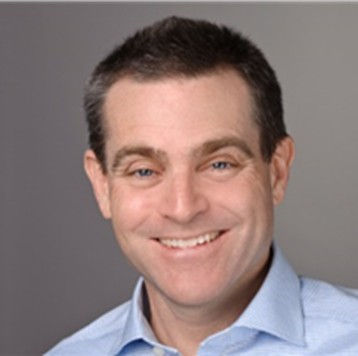
I’m biased; I met Lonnie on his first day as the President of JUF (Jewish United Fund of Chicago) and immediately was impressed. We had never met before, but we have mutual friends and when I went to introduce myself, he said, “I know who you are. I’ve heard great things, can’t wait to work with you.”
Lonnie has a unique ability to make you feel seen and heard. Even after leaving JUF, he continues to make time for me. Recently, he shared a glimpse into his life running one of the largest Jewish organizations in the country.
Tragedy and Hate Does Not Sleep
If you’ve led anything since 2020, whether it’s an organization, a team, a family, you know this truth: there is no normal.
Now imagine stepping into the role of CEO of the second largest Jewish Federation in North America in 2019… and then immediately getting hit with:
COVID
war in Ukraine
October 7
Surge in antisemitism
Ongoing communal trauma and global instability
That’s been Lonnie Nasatir’s reality.
How’s he’s able to keep up with the pace of the work, his answers were simple and grounded:
Workout. “I workout almost every day, this is me time. It gives me energy and helps me start the day with time to reflect.”
He pairs exercise with learning. “I always want to be updated on what’s going on in the world. And while exercising I’m able to listen to podcasts, news and stay current.”
He protects Shabbat. “Working here especially, Shabbos is sacred. Emergencies with standing, I take advantage on Friday nights and Saturday’s. That’s family time.”
He actually takes vacations. “I think it’s important to recharge. I have a great team that I trust, and it’s not always perfect but I intentionally step away.”
Lonnie added, “Everything in life is about balance… work, family, friends, being a good parent and husband. With events, travel, and meetings I’m deliberate about making family time.”
Crisis leadership is “muscle memory”
When you lead a Jewish organization right now, you’re not just managing operations, you’re managing emotion.
Fear. Grief. Uncertainty. Anger. Exhaustion.
I asked Lonnie how he stays grounded and makes clear decisions when leadership feels like moving from one emergency to the next.
He didn’t pretend he had some magical formula. He talked about process.
His approach looks like this:
Get the right people in the room, include people impacted and those who can execute.
Convene quickly.
Leave with a clear plan so everyone is aligned and moving.
Overcommunicate especially when the issue is complex.
Be willing to pivot if the first instinct is wrong.
He called it “muscle memory,” built over decades—from government roles, being a prosecutor, his time at ADL (the Anti-Defamation League), and now the Federation world.
Lonnie remarked, “Sometimes the issue is too big for a tight inner circle.You have to expand the circle, bring in more people, and trust them. I’m lucky that my lay leaders and colleagues are incredible. They step in and it makes a huge difference.”
Calm on the outside, human on the inside
While discussing difficult issues, Lonnie remains steadiness. This is not performative or perfectly polished CEO calm, it’s real calm. The kind that makes everyone else breathe a little slower.
Lonnie didn’t sugarcoat the weight of the role. He said, “This is a job with unlimited pace, urgency doesn’t come in seasons, it’s the norm. I know if I’m calm or at least give off calm, that helps ground others.”
Even if things are churning internally, he tries to project steadiness because he knows staff and lay leaders are taking cues from him.
He told me he’s worked at this over time. When he was younger, his emotions were more visible. Now he’s more intentional.
Because in crisis, calm is leadership.
When I asked what helps him regulate, his answers were relatable:
music
working out
a great show or podcast
calling a friend
talking to his coach
Wait, Coach?
One of my favorite moments in our conversation was when Lonnie told me that shortly after starting the job, a respected leader congratulated him and asked, “Who’s your executive coach?”
It wasn’t, do you have one, or a suggestion, and it stuck.
Lonnie went out, interviewed three coaches, and found someone he’s worked with ever since! He called it a safety valve, to process pressure with zero judgment.
Culture doesn’t happen by accident
Lonnie has always been deliberate about culture. He doesn’t lead through command-and-control. He leads through presence, thoughtfulness, and modeling.
He walks the floors.
He notices people.
He remembers birthdays.
He asks how you’re doing and hangs around for the answer.
And he invests in professional growth.
He lit up talking about a staff cohort program a colleague in HR runs. “We take all new hires, and they are in this great 6-month long program. They meet different staff, have time with leadership, and build relationships across departments.”
His point was simple:
If leaders model respect, transparency, and care… it spreads.
People follow what’s reinforced, not what’s written on a wall.
The leadership superpower: Listening
Lonnie and I got into something I love to talk about: listening.
Lonnie commented, “A lot of people think they’re good listeners because they let someone finish. But they’re just waiting to talk. Real listening takes thoughtfulness. Digesting the words, and that takes pause.”
He then shared a practical habit in relationship-building, that everyone in fundraising should do. After donor meetings, he writes a quick synopsis. Key facts, interests, family details, concerns, and priorities are captured to help with meaningful follow up. And for good measure he also jots down notes on his phone, because you never know who you’re going to run into.
Keep Moving Forward
Stepping into leadership and immediately facing wave after wave of communal and global crisis isn’t easy. And yet, during this time, JUF has mobilized extraordinary resources, expanded its impact, and maintained a culture where people feel supported, seen, and developed.
Strong leadership doesn’t start with having all the answers. It starts with compassion, community, and transparency.
To explore JUF’s work and impact, visit www.juf.org
________________________________________________________________________
I help nonprofits raise more money through education, coaching, and strategic planning. I also lead high-impact professional development, coaching programs, and retreats for companies of all sizes. If you’re ready to strengthen your fundraising strategy, turn board members into advocates, or build a comprehensive legacy giving program, let’s talk.


Comments